Drone Filming in Turkey: Permits, Rules and Practical Tips from Bodrum
Everything to know before drone filming in Turkey: registration, zone permissions, Aegean weather and safety, explained with practical examples from Bodrum.
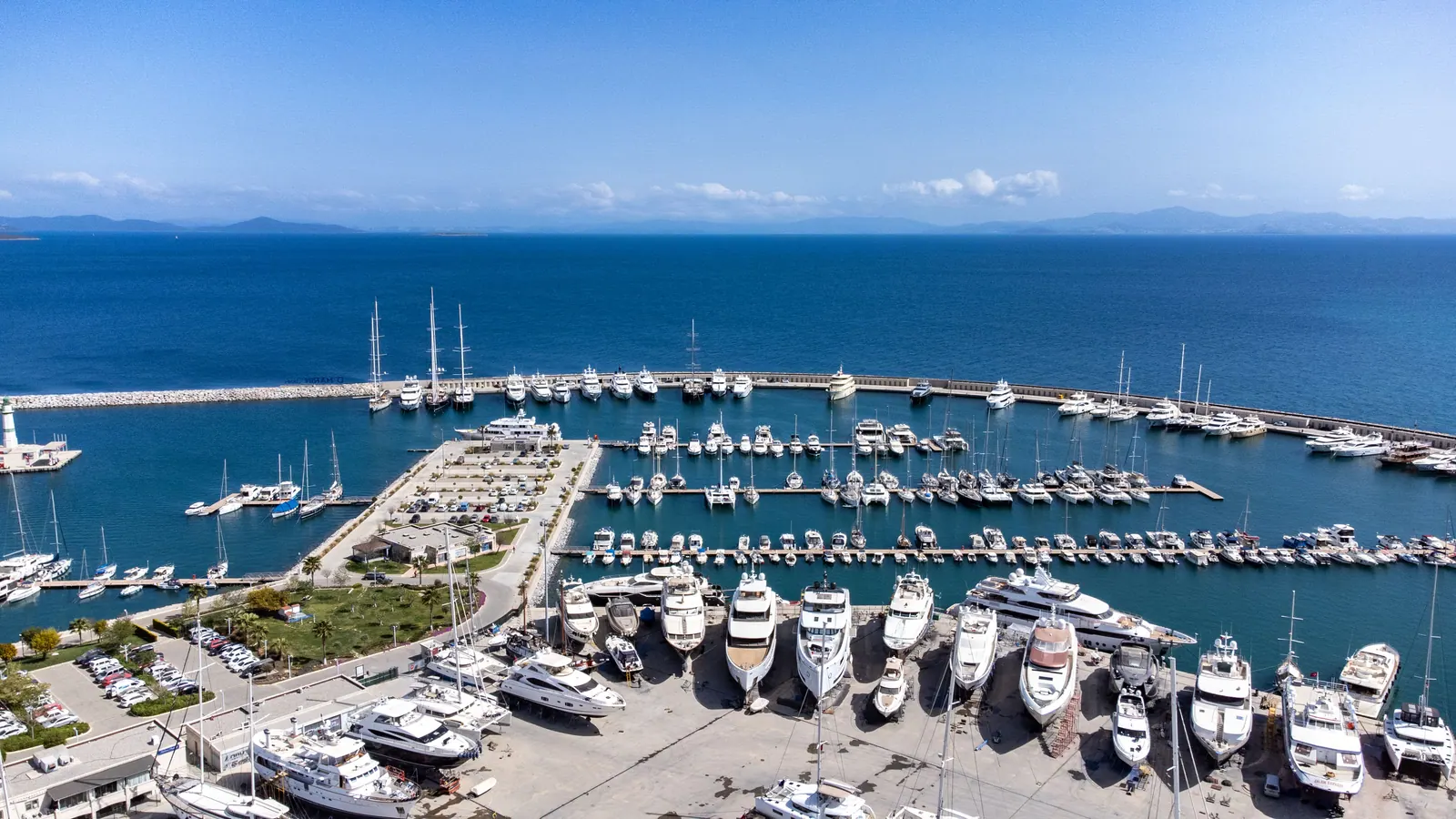
Drone filming in Turkey can give a project its most striking point of view: a yacht anchored in a turquoise cove, an opening shot gliding over Bodrum Castle, an entire hillside villa development in a single frame. Behind those images, though, sit aviation rules, zone permissions, wind, crowds and insurance. We have been flying over the Bodrum peninsula for more than twelve years, and in this article we summarise, in plain language, what brands, couples and property owners should know before they plan aerial footage in Turkey.
One important note first: regulations change from time to time. What follows is a general framework, not legal advice. For current and binding information, always rely on the official announcements of the Turkish Directorate General of Civil Aviation (SHGM).
The basic framework for drone filming in Turkey
Unmanned aircraft in Turkey fall under the rules of the Directorate General of Civil Aviation, known by its Turkish initials SHGM. In simple terms there are three layers:
- Aircraft registration: Drones need to be registered in the SHGM system. Flying an unregistered aircraft is a serious risk, especially on a commercial job.
- Pilot competence: Depending on the class of the aircraft and the purpose of the flight, the pilot is expected to hold certain training and documents. Commercial work is assessed much more strictly.
- Flight permission: In some areas and under some conditions, a separate permission is required to fly. Airport surroundings, military zones, critical facilities and crowded places are the obvious examples.
A hobby flight and a commercial shoot for a hotel, a yacht charter company or a construction project are not the same thing. Commercial work carries more responsibility and higher expectations, which is why the safest route is to hand it to a professional operator who already knows the permit process.
Which areas around Bodrum need extra care?
The Bodrum peninsula is spectacular from the air, but it is also sensitive in several ways. These are the points we always check while planning:
Airport approach corridors
Milas-Bodrum Airport lies to the north-east of the peninsula and is very busy in summer. Controlled airspace around airports is where the strictest drone rules apply. If a location sits close to these zones, permission can take longer, or flying may not be possible at all.
Military and critical areas
Restrictions can apply along parts of the coastline, around ports and near certain public facilities. Their boundaries are not always obvious on the ground, so every location should be checked against current maps and official sources before take-off.
Crowds and private property
In high season, Bodrum town, Gümbet beach, the beach clubs of Türkbükü and the area around Yalıkavak Marina are packed. Flying over groups of people is outside both the rules and common sense. Neighbouring villas, hotels and boats also have a right to privacy. In places like these we move the shoot to early morning and plan routes that never pass over people.
Tip: When choosing a location, first ask "can we fly here?", then ask "how good will it look?". Reverse the order and disappointment is almost guaranteed.
Bodrum's weather: meltem, heat and salt
Nature sets its own limits alongside the rules. When flying in Bodrum we always factor in three things:
- The meltem: In summer, the Aegean's northerly wind builds through the afternoon. At altitude it can be much stronger than it feels on the ground. That is why we schedule boat and yacht shoots for the morning, when the sea is calmer and the drone is steadier.
- Heat: In July and August, midday heat reduces battery performance and shortens flight time. Keep batteries in the shade, never charge them hot, and always carry spares.
- Salt and humidity: Low passes over the sea leave salt on the aircraft. Every sea shoot should be followed by proper maintenance.
For light, the best windows are the first hours after sunrise and the golden hour. If you are planning an evening flight, see our guide to the best sunset photo spots in Bodrum.
Drones on boats, yachts and weddings
In Bodrum, demand for aerial work clusters around three areas: yachts and gulets, weddings, and real estate. Each comes with its own considerations.
Boats under way
Tracking a yacht from above or alongside produces the most dramatic frames of any yacht and boat shoot. Route, speed and turning points are agreed with the captain in advance. The drone usually launches from land or from a second boat; taking off from and landing on the deck of a moving yacht should only be done by an experienced crew in suitable conditions.
Weddings and events
At a wedding, a drone is a wonderful way to show how a venue relates to the sea and to capture the overall atmosphere of the day. Flying directly over guests, interrupting the vows with propeller noise or dropping down between the flower arrangements is not acceptable. We typically use the drone for establishing shots, venue coverage and a short portrait moment with the couple. If you are planning your day, have a look at our wedding photo and video service.
Real estate and construction
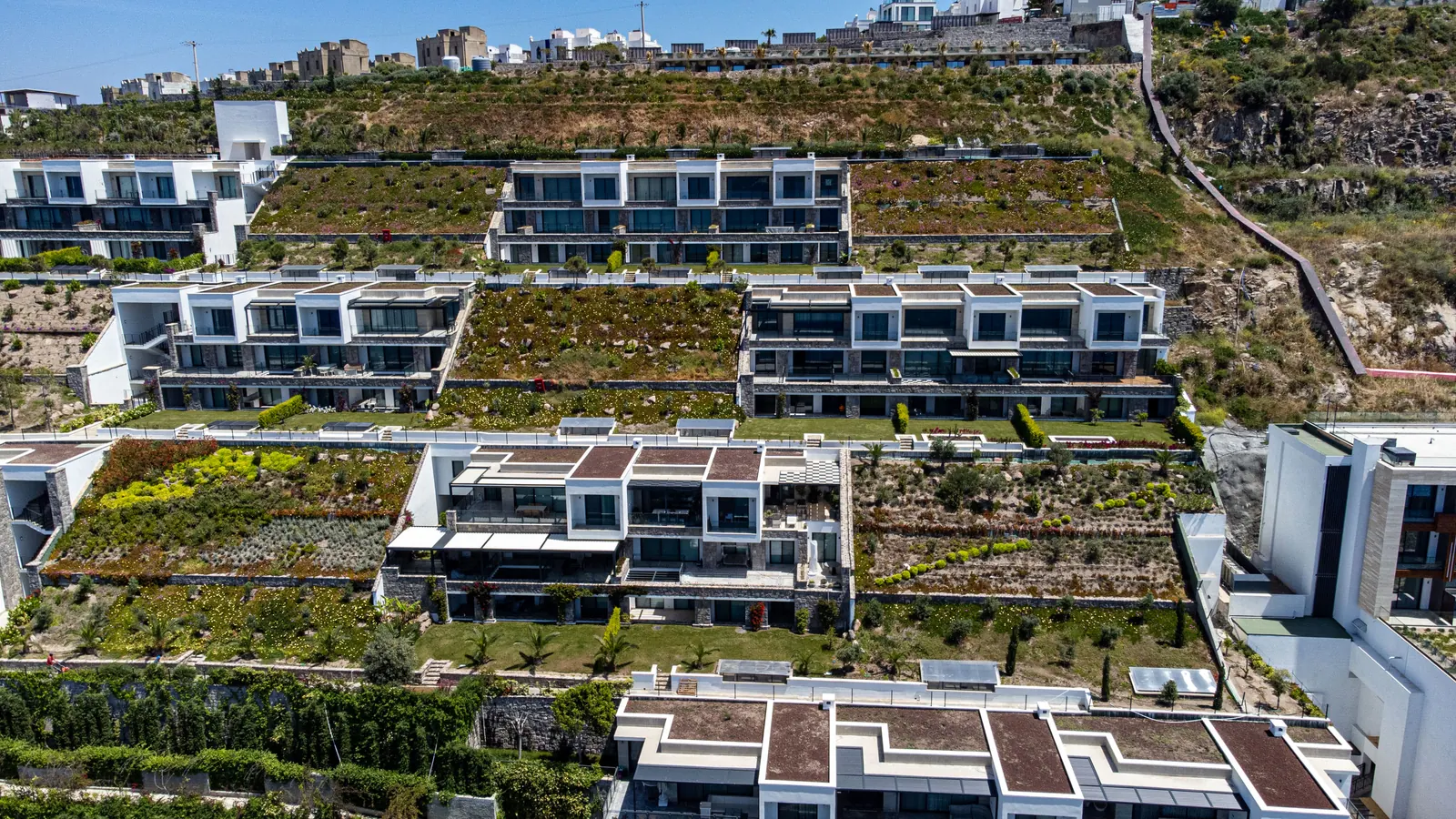
Aerial footage is the clearest way to show how far a villa is from the sea, what it overlooks and what surrounds it. On construction sites, repeated flights from the same positions at regular intervals are extremely valuable for documenting progress. We cover this in detail in our article on construction progress drone footage.
Bringing your own drone to Turkey
Visitors holidaying in Bodrum often ask whether they can fly their own drone. The short answer: bringing a drone into Turkey and flying it here is subject to local registration and rules. Customs and registration procedures can change over time, so check official sources before you travel. Even small hobby flights can cause real problems near airports or over crowded beaches. For a professional shoot, working with a local team that already manages the permit side is simply more practical.
What does a professional drone operator actually do?
A good aerial shoot usually starts long before the aircraft leaves the ground. Our typical workflow looks like this:
- Scouting and checks: We study the location on the map and, where possible, on site; we check the airspace status, any restrictions, and safe take-off and landing points.
- Permissions: Where required, we submit the relevant applications in good time. Because this can take several days, last-minute plans are best avoided.
- Weather plan: Based on wind and light forecasts, we set a main date and a backup date.
- Flight plan and shot list: We agree in advance which shots are needed, at what height and with which movements, so time in the air is used efficiently.
- Safety: We separate the take-off area from the public, work with a spotter when needed and never fly over people.
- Editing and delivery: Footage is colour graded and turned into a promotional film, social media clips or a photo set.
You will find the whole process described in more detail on our drone footage service page. And if you are wondering what aerial imagery actually adds to a brand, our article drone footage: a new perspective on the world is a good place to start.
Common mistakes
- Leaving the shoot to the last day and forgetting about the permit timeline.
- Trying to fly over the sea on a summer afternoon, when the meltem is at its strongest.
- Asking for shots directly above a crowded beach or a party.
- Setting off with a single battery and forgetting that heat cuts flight time.
- Treating aerial footage as a stand-alone "show" rather than part of a story; the best results come when it is edited together with ground-level footage.
Conclusion
Drone filming in Turkey delivers spectacular results when it respects the rules, the weather and the people below. Bodrum's coves, marinas and white houses look completely different from the air, but the road to those images runs through careful planning. If you would like to review a location, its permit situation and the best timing for your project together, get in touch with us and we will prepare a free quote based on your scope.
Frequently Asked Questions
Do I need to register a drone to fly in Turkey?
Yes. Drones in Turkey are regulated by the Directorate General of Civil Aviation (SHGM) and need to be registered in its system. Pilot competence requirements and extra permissions for certain zones may also apply. Rules change, so always check SHGM's official sources for current information.
Can I fly a drone anywhere in Bodrum?
No. Airport surroundings, military and critical areas, and crowded places are restricted. With Milas-Bodrum Airport nearby and busy beaches in summer, every location should be checked before a flight.
How long does it take to get drone flight permission?
It depends on the location and the type of permission needed; in some cases it can take several days. We recommend planning your shoot early and keeping a backup date.
Can you use a drone at our wedding?
At most venues, yes, but we never fly over guests and we do not use the drone during quiet moments such as the vows. We usually use it for venue coverage, establishing shots and a short portrait moment with the couple.
How is the price of a drone shoot determined?
It depends on shooting time, number of locations, permit requirements, editing scope and delivery formats. Tell us about your project and we will prepare a free quote based on your scope.
— The Bodrum Photography team