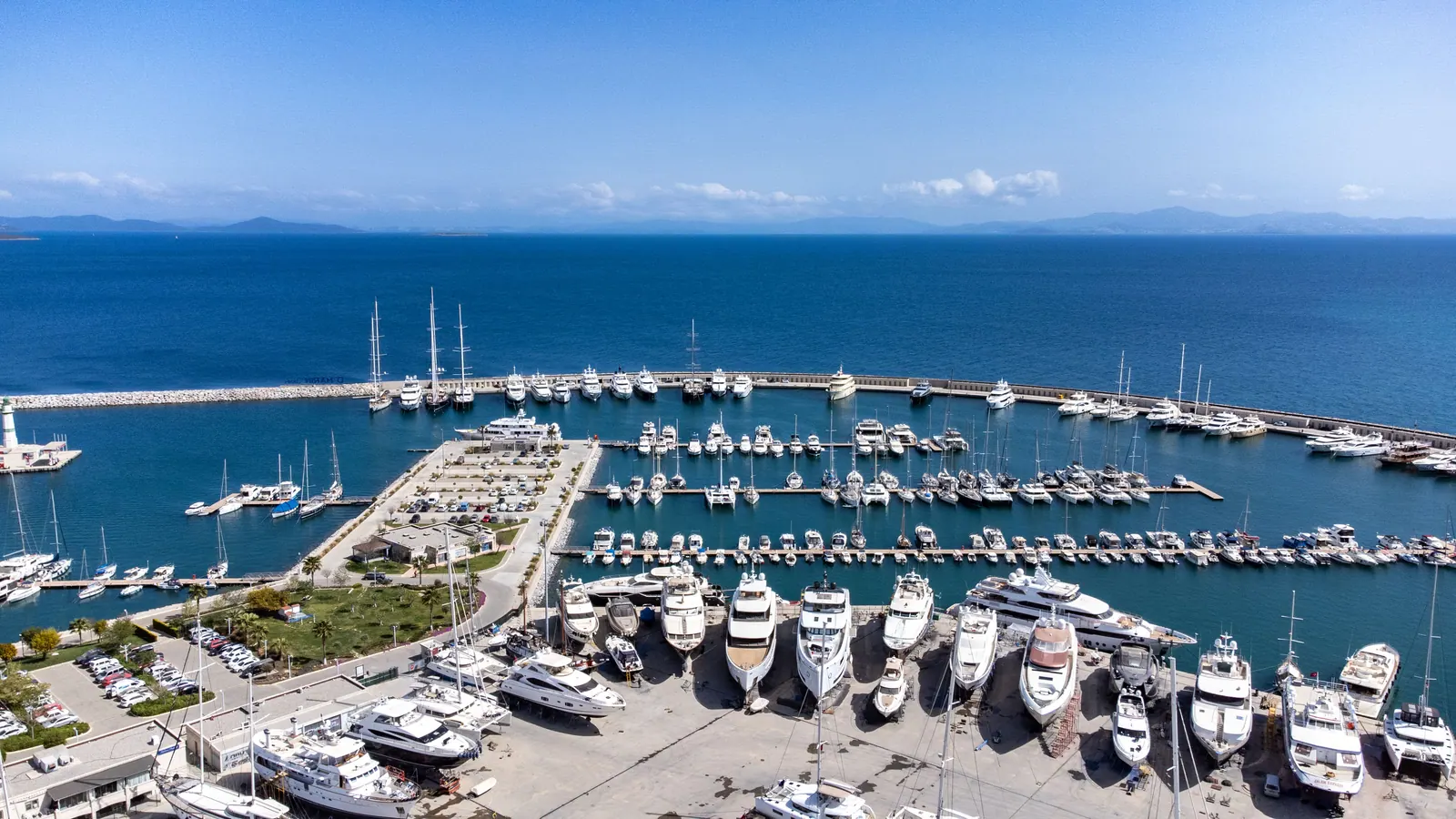
Construction Progress Drone Footage: Documenting Your Project Month by Month
Show investors and buyers exactly how your build is progressing with regular drone flights: planning, shooting frequency and the deliverables that actually get used.
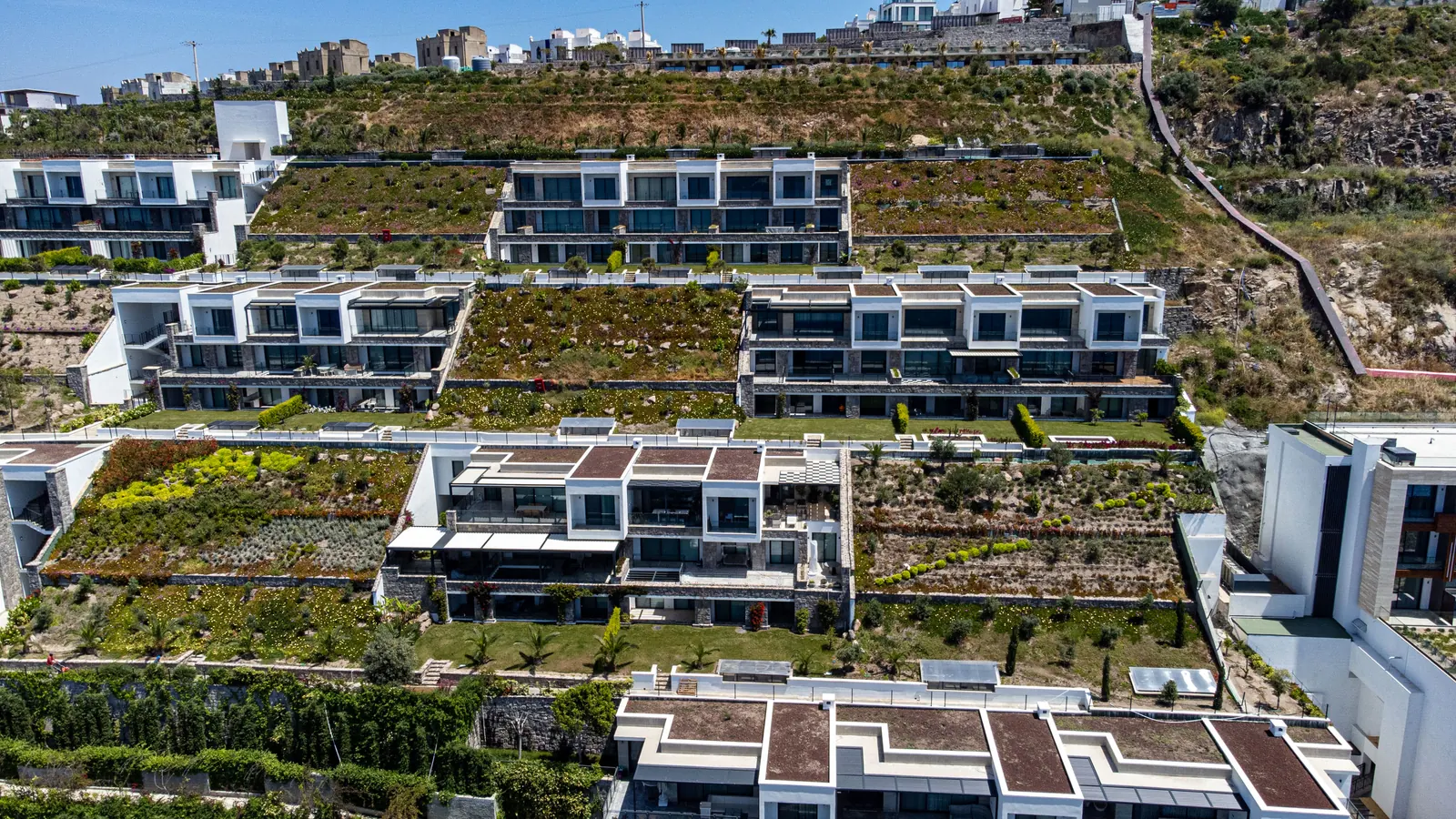
Construction progress drone footage is the clearest way to tell the story of a project, from an empty plot to handover. On Bodrum's terraced hillside developments, sea-view villa compounds and hotel renovations, these images are more than a nice record. They become a report for investors, reassurance for buyers living abroad and powerful material for the sales office. In this article we explain how regular aerial shoots are planned, which frames actually earn their place, and what we pay attention to under Bodrum's conditions.
Why construction progress drone footage?
Photographing a building site from the ground usually gives an incomplete picture: scaffolding, stacks of materials and tight angles hide the project as a whole. From the air, the relationship between buildings, the shaping of the landscape and the progress of roads and pools are understood at a glance. The main benefits of regular drone coverage are:
- Investor and partner reporting: Dated aerial photos attached to monthly reports let remote stakeholders understand the status without visiting the site.
- Pre-sales and marketing: Long before completion, the footage tells buyers that something real is happening. For foreign buyers looking for property in Bodrum, that matters a great deal.
- Visual archive: Whenever you later want to see how a phase was built, where the utilities run or what the ground looked like originally, a dated archive is there.
- The final launch film: Months of accumulated footage turn into a compelling "from nothing to today" film for the handover period.
The secret of good progress footage: repeatability
The single most important rule is being able to capture the same frame every time. Individually beautiful shots that do not match each other say nothing about progress. That is why the first shoot always includes building a "frame map".
Fixed positions and angles
On the first flight we usually define five to eight fixed positions around the site: a straight top-down view, oblique angles from the four corners, a "hero" angle with the sea or the view behind the project, and a frame looking in from the access road. The position, altitude and camera angle of each are recorded. On every following visit the drone returns to the same points, so when the images are laid on top of each other months later, the difference is unmistakable.
Same time, same light
Shadows change dramatically with the time of day. Put a morning frame next to an afternoon frame and the eye notices the light, not the progress. We therefore schedule every visit at roughly the same hour. In Bodrum that is usually the morning: the air is clearer, the meltem has not yet picked up and there is less dust on site.
Same settings
The same focal length, similar exposure and a consistent colour grade keep the archive looking professional. These may seem like small details, but they make a big difference in comparison images.
How often should you shoot?
The right frequency depends on the pace of the project and the budget. We generally work with three approaches:
- Monthly visits: The most balanced option for most residential and villa projects, and it fits neatly with investor reporting.
- Milestone visits: Timed to key phases such as the end of excavation, completion of the structure, closing the roof, and finishing the facade and landscaping.
- Intensive periods: During fast-moving phases, such as major concrete pours or large prefabricated installations, weekly visits can be planned.
Tip: Always commission the first shoot while the plot is still empty. Flying the drone up to the height of the future balconies to capture a "view from the third floor" is one of the most effective images for pre-sales, before a single foundation is poured.
Which deliverables are actually useful?
The same footage needs to reach different people in different forms:
- Dated photo sets: After every visit, high-resolution photos from the fixed positions, with the date in the file name.
- Before-and-after comparisons: The same angle on two different dates side by side, very effective for investor presentations and social media.
- Short progress clips: Vertical and horizontal videos the sales team can share on WhatsApp or Instagram.
- The final film: When the project is complete, a promotional film edited from the whole archive, from groundbreaking to handover. It works best when combined with ground-level footage, interiors and lifestyle scenes as part of a planned promotional video.
Things to watch in Bodrum
Building sites in Bodrum are often on sloping land, reached by narrow roads and facing the sea. That is both a great advantage and something that needs planning.
Slopes and views
On terraced projects, the way the buildings step down the hillside can only really be understood from above. Angles with the sea in the background show the sales value of the project directly, so every frame map includes at least one "view angle".
Wind, heat and dust
The meltem that builds on summer afternoons pushes the drone around at height and can make footage shaky. July and August heat shortens battery life, and dust during excavation affects both the image and the equipment. Morning shoots solve all three problems to a large extent.
Permissions and safety
The airspace status of every location must be checked in advance; we summarise Turkey's registration and permit framework in our guide to drone filming in Turkey. On site, coordination with the site manager is essential: we keep clear of crane working areas, never fly over workers and follow site safety rules. Our crew wears basic protective equipment such as hard hats and hi-vis vests on site.
What to agree at the first meeting
Before starting a long-running progress shoot, settling a few questions up front prevents confusion months later. At the first meeting we usually look for answers to these:
- Who will use the footage? Investor reports, the sales team, social media and the website all need different formats. When the users are clear from the start, the delivery package is built around them.
- How long will the project run? An eighteen-month build and a six-month renovation need very different plans. The total number of visits and their frequency follow from this.
- What are the site rules? Access hours, safety procedures, a named contact and a safe take-off and landing area should be agreed in advance.
- Where will the archive live? Consistent file naming by date and position, stored in a shared folder, keeps the archive usable even if people on the team change.
- When will the final film be released? If a sales launch or opening date is known early, the last shoots and the editing schedule are planned backwards from it.
Once these answers are clear, every visit becomes a routine, efficient job: the crew arrives knowing what to shoot, where to launch from and how the files will be delivered.
What we do not do
To be clear: our service is focused on visual documentation and marketing. Survey-grade measurement, volume calculations and official cadastral work are a separate discipline and the job of licensed surveying firms. Our job is to show your project's progress in a way everyone understands and is impressed by.
When the project is finished: images ready to sell
Progress coverage leads smoothly into the sales and rental phase. The same team photographs the completed buildings inside and out, creating a consistent visual language. For this stage, see our real estate photography service and our real estate photography guide. All aerial options are listed on our drone footage service page.
Conclusion
Set up properly, construction progress drone footage becomes the most reliable storyteller a project has. Fixed positions, consistent timing and a regular schedule mean that months later you will have both a clear report for investors and a compelling film that supports sales. Tell us about your project's location, timeline and needs, get in touch, and we will prepare a tailored shooting plan and a free quote.
Frequently Asked Questions
How often should construction progress be filmed?
For most residential and villa projects, monthly visits are a balanced choice. Additional shoots can be timed to milestones such as excavation, structure, roof and landscaping, or weekly visits planned during fast-moving phases.
How do you capture the same angles every time?
On the first flight we build a frame map of fixed positions. The location, altitude and camera angle of each are recorded, and on later visits the drone returns to the same points so the images are directly comparable.
What formats will we receive?
Dated photo sets, before-and-after comparisons, short vertical and horizontal clips for social media and, at the end, a promotional film edited from the whole archive. The scope is tailored to your needs.
Do you also offer mapping and survey work?
No. Our service focuses on visual documentation and marketing. Survey-grade mapping, volume calculations and cadastral work are the specialty of licensed surveying firms.
What determines the price of construction drone coverage?
Shooting frequency, project duration, number of fixed positions, deliverable formats and editing scope. Tell us about your project and we will prepare a free, tailored quote.
— The Bodrum Photography team