Restaurant and Food Photography: Images That Sell Your Menu
Appetising, shareable menu photos rarely happen by accident. Here is how we plan restaurant and food photography in Bodrum, from lighting to delivery.
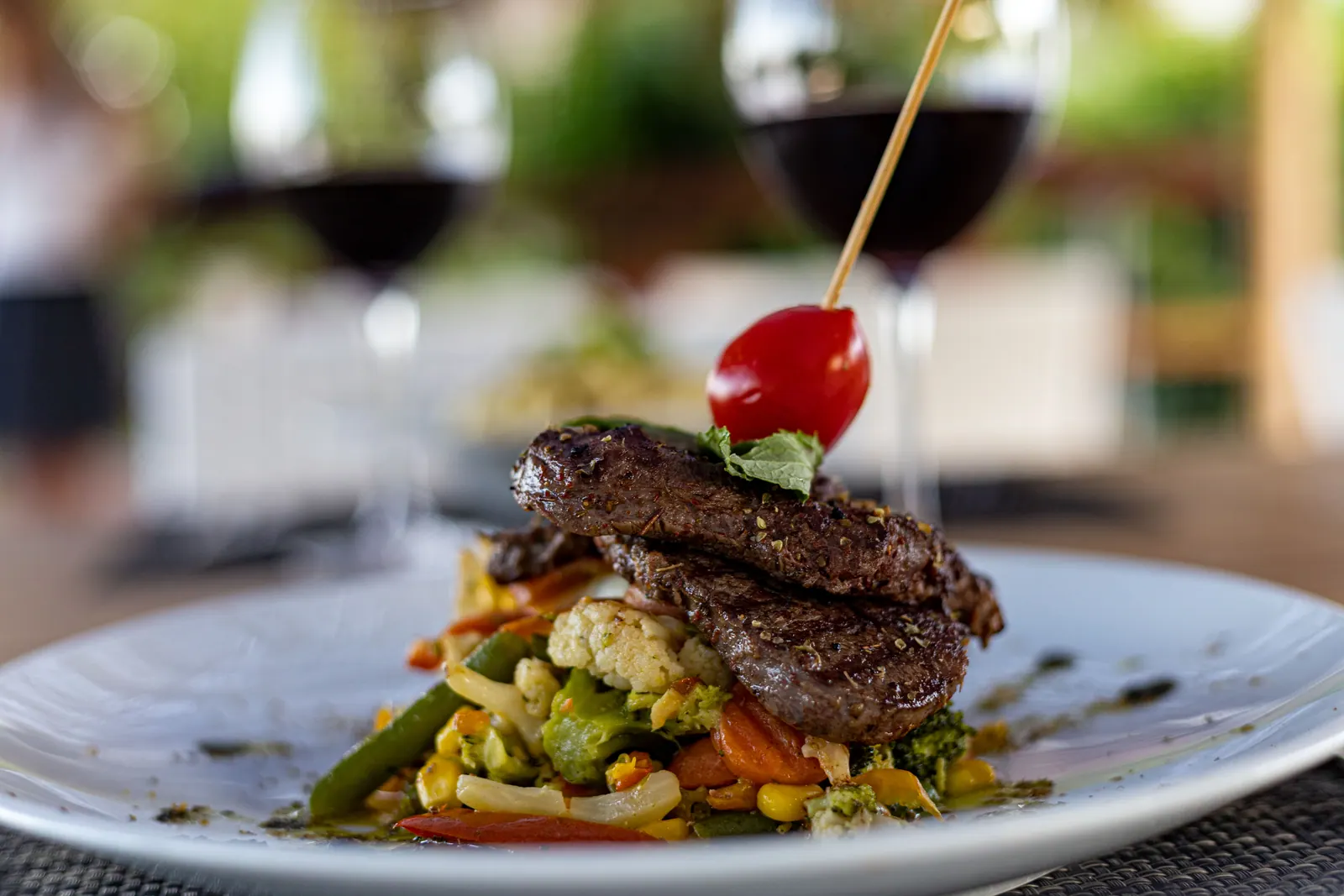
A photograph of a dish on a menu often decides whether it sells before the price ever does. A blurry frame shot in yellow light, or a rushed phone photo, undersells the work happening in the kitchen. Restaurant and food photography is one of the most overlooked but fastest-paying investments a Bodrum business can make. This guide walks through how we plan a food shoot, from the menu card to social media, delivery formats and how often to refresh it.
Why professional food photography matters
Most guests check Google, Instagram or a food app before they ever walk in. A well-lit, appetising plate is more convincing than a thousand words describing the same dish. A consistent visual language also aligns the perceived quality of the place with the prices on the menu; images that look cheap create a mismatch with a premium menu.
Restaurant photography versus food product photography
These are two related but distinct jobs. Venue photography shows the atmosphere, the tables, the light and the decor, convincing a guest before they ever step through the door. Food shot with a product photography approach focuses on the plate itself, the texture and the colours. A good delivery plans both together: wide atmosphere shots go on the homepage, close-up plate shots go on the menu and social media.
Preparing before the shoot
Menu selection and food styling
Rather than shooting every item on the menu, we prioritise the signature dishes and the best sellers. Together with the chef and kitchen team we agree in advance how the plating will be adjusted for camera - an extra sprig of herb, the right angle for a sauce, a clean plate rim.
Planning the light
Daylight usually gives the most natural result in food photography; a table by a window or on a terrace with soft late-morning light is ideal. For restaurants known for their evening service we use controlled studio lighting instead, because we want to preserve the true atmosphere of the night.
Plates, linens and backgrounds
The plates, linens and backgrounds we shoot on come from the restaurant's own set; what a guest sees at the table should match what they see in the photo. Overly styled scenes mislead guests and lead to disappointment.
Tip: schedule the shoot during the restaurant's quietest hour, without service pressure. The chef can give you proper attention, and the food reaches the camera at the right temperature, at the right moment.
Shoot day: what happens on set
Hot dishes lose freshness within minutes of being plated, so we build the set in advance and test light and composition with a cold stand-in plate. Once the real dish arrives, we finish the shot within a few minutes. Details like steam, grill marks and the shine of a sauce are captured from the right angle at the right instant to show the dish at its freshest.
Cold dishes, desserts and drinks allow more time and more room for styling experiments.
Shooting the venue and atmosphere
Alongside the food, we document the sea view from the terrace, the interior lighting and the table setting. In the evening, candles, lights and sunset give the strongest images of a restaurant's atmosphere. As we explain in our post on hotel photography, these images directly influence a guest's booking decision.
Different formats for social media
Instagram and TikTok need vertical (9:16) frames, while the website and printed menu need horizontal and square formats. Producing both formats on the same shoot day means one set of images feeds both the website and social media. With our social media content creation service we can also build a monthly posting calendar.
Delivery for the menu card and website
High-resolution files go to the printed menu, fast-loading optimised versions go to the website, and ready-cropped versions go to social media. This way the same shoot serves every channel in the right size and quality.
How often to refresh
Images should be updated whenever the menu changes, a seasonal item is added, or the decor is refreshed. For most businesses, one full shoot a year plus short follow-up sessions for a handful of new items at each season change is enough.
Pricing
The price depends on the number of dishes, the scope of venue photography and whether video is needed. Instead of fixed packages, we listen to your menu and your goals and prepare a tailored quote.
A sample shot list by category
Every restaurant builds its own list around its menu, but a general structure works well:
- Starters and meze: shareable, shot from above and at 45 degrees, with a table arrangement that shows the variety of colours.
- Main courses: a cross-section shot showing how the meat or fish is cooked, plus a close-up that highlights the freshness of the garnish.
- Grilled and baked items: the moment smoke, steam and browning look most dramatic, usually the seconds closest to the dish leaving the kitchen.
- Desserts: side lighting to reveal texture and layers, plus an action frame catching chocolate or syrup being poured.
- Drinks: the first few seconds before ice melts or foam settles, plus a detail shot of the garnish for cocktails.
Reviewing this list with the chef before the shoot prevents wasted time on the day and clarifies exactly when each dish will be served.
Common mistakes
The issues we see most often in restaurants that shoot their own photos:
- Cluttered backgrounds: extra items on the table, napkins or a menu stand pull attention away from the food.
- Uneven yellow light: phone photos taken under evening bulbs do not show the true colour of the dish.
- Over-saturated editing: colours pushed unrealistically by filters create a mismatch and disappoint guests once they sit down.
- Inconsistent angles and style: every photo on the menu coming from a different source and style undermines the perceived professionalism of the brand.
The simplest way to avoid these issues is to complete the whole set on one shoot day, with the same team and the same lighting setup.
Video and short clips
Adding short video alongside food photography boosts engagement, especially on social media. A few seconds of slow motion - sauce being poured over a plate, cheese being pulled, smoke rising from the grill - gives a sensory experience that a still photo cannot fully capture. We can produce these clips on the same shoot day without any extra equipment setup.
Conclusion
A good set of restaurant and food photography brings the kitchen's work to the front window and shortens a guest's decision. Careful planning, consistent light and an approach that stays true to the real plating make your menu stronger on the website, on social media and in print. If you would like to plan a shoot for your restaurant, cafe or hotel restaurant in Bodrum, get in touch and we will send you a free quote.
Frequently Asked Questions
How many dishes do we need to shoot?
For most restaurants, 15 to 25 signature and best-selling items are enough. Remaining dishes can be added later in shorter follow-up sessions as long as the style and lighting stay consistent.
How do you shoot food before it goes cold?
We set up light and composition in advance with a cold stand-in plate. Once the real dish arrives, the shot is finished within a few minutes so steam and freshness are captured before they fade.
Can the venue and the food be shot on the same day?
Yes, and that is our recommended approach for most projects. Shooting both on the same day documents the plate details and the restaurant's atmosphere in one consistent visual language.
How often should we refresh the images?
We recommend updating images whenever the menu, decor or seasonal items change. One full shoot a year plus a few short follow-up sessions is enough for most businesses.
— The Bodrum Photography team